
Why You Need a Checklist
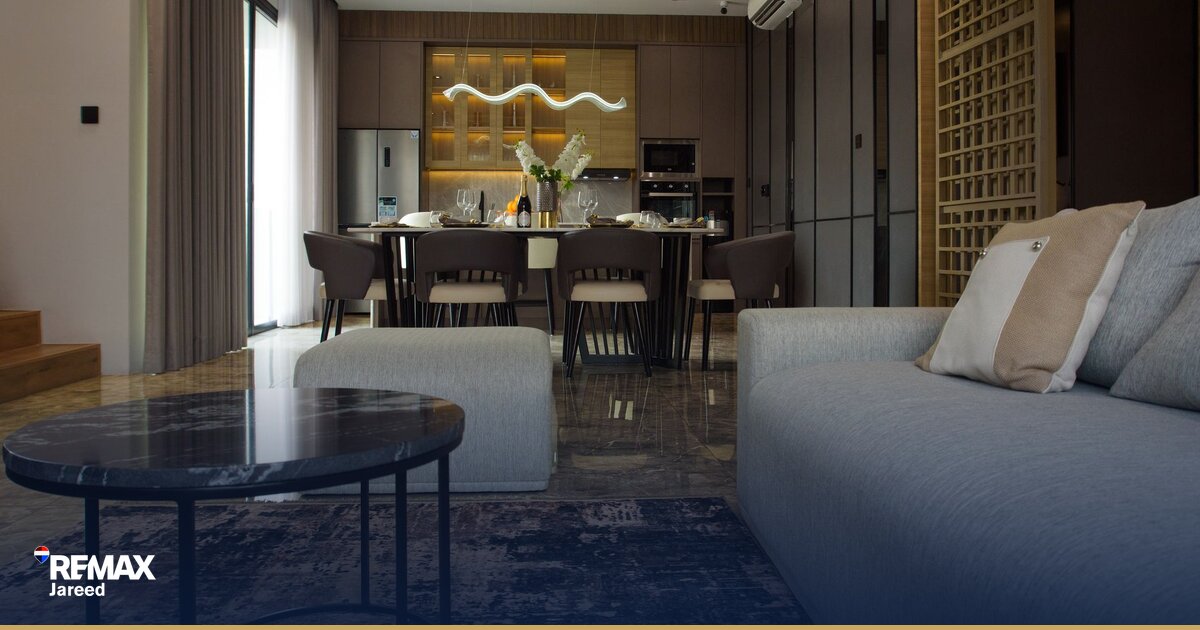
You walk into a unit. The marble gleams. The view is decent. The agent rushes you to decide.
But you didn't check the water pressure. You didn't ask about the maintenance fees. You didn't notice the cracks behind the curtain rod.
Three months after handover, you're paying for repairs that should have been the seller's responsibility.
This checklist exists to prevent that. Print it. Take it to every viewing in Sheikh Zayed, 6th October, or New Zayed. Fill it out on-site. Compare units side by side.
Before You Enter the Unit: Compound-Level Checks
1. Security & Access Control
- Are there manned gates with ID verification?
- Does the compound use access cards or face recognition?
- Are perimeter walls intact and adequately lit at night?
2. Maintenance Visible Standards
- Walk the landscaping. Are plants watered and trimmed?
- Check pavement quality. Cracks or potholes signal deferred maintenance.
- Look at communal lighting. Burned-out bulbs mean the management is reactive, not proactive.
3. Amenities Functionality
- If the compound advertises a gym or pool, visit them. Are they operational or decorative?
- Ask residents in the elevator or lobby about service quality. They'll tell you the truth the agent won't.
4. Parking Availability
- Count the ratio of units to parking spots. Sodic West and Zed typically offer 1.5–2 spots per unit. Older compounds in 6th October sometimes offer 0.5.
- If it's underground parking, check for water seepage and ventilation.
Inside the Unit: Structural & Finishing Inspection
5. Walls & Ceilings
- Run your hand along walls. Bubbling paint indicates moisture behind the surface.
- Look up. Ceiling cracks near corners can signal foundation settling (common in compounds built on reclaimed desert land without proper compaction).
- Check for water stains, especially in top-floor units or units below roof access.
6. Floors
- Marble or porcelain: tap tiles with your knuckle. A hollow sound means poor adhesion. They'll crack or lift within a year.
- Parquet: check for gaps or warping near bathrooms and kitchens (water damage).
- Walk barefoot if possible. You'll feel unevenness the eye misses.
7. Windows & Doors
- Open and close every window. Does it seal tightly? Gaps let in desert dust and kill your AC efficiency.
- Check window frames for rust (aluminum shouldn't rust; steel might in humid bathrooms).
- Doors: do they close flush, or is there a 2cm gap at the bottom letting light through?
8. Kitchens
- Turn on every faucet. Let the water run for 30 seconds. Pressure should be consistent, not sputtering.
- Open cabinets and check under the sink for leaks or water stains.
- If appliances are included, test them. Ovens, stovetops, dishwashers.
- Check the exhaust hood. Does it vent outside or recirculate (less effective)?
9. Bathrooms
- Flush every toilet. Does it refill quickly? Does the handle stick?
- Turn on the shower at full pressure. Check the drain speed. Slow drainage means clogged pipes or poor slope in the flooring.
- Look for grout mold or missing caulk around the tub. Small issues now, expensive fixes later.
- Run hot water for 2 minutes. Does it stay hot, or does the heater struggle?
10. Electrical Systems
- Count power outlets per room. Modern units in O West or Palm Hills October should have 4–6 per bedroom, not 2.
- Test switches. Do lights flicker? That's a wiring issue.
- Check the breaker panel. Is it labeled? Unlabeled panels suggest poor installation.
- If the unit has central AC, ask for the last maintenance record. Units in resale often have AC compressors near end-of-life (7–10 years in Egyptian heat).
11. Balconies & Outdoor Spaces
- Check drainage. Pour a cup of water near the edge. Does it pool or flow to the drain?
- Inspect railings. Are they stable, or do they wobble?
- Look for rust on metal fixtures or cracks in concrete slabs.
Systems You Can't See: Ask Questions
12. Water Supply
- Is the compound on municipal water or private wells? Wells can have quality issues.
- Are there rooftop or basement storage tanks? Ask the last time they were cleaned (should be annually).
- What's the backup plan during water cuts? Compounds in 6th October occasionally face supply interruptions.
13. Sewage & Drainage
- Is the compound on public sewage or a private treatment plant? Private plants require maintenance fees.
- Ask if there's a history of backups, especially in ground-floor units.
14. Internet & Telecom
- Which ISPs serve the compound? Zed and Beverly Hills have fiber from multiple providers. Some older areas in 6th October rely on DSL.
- Check for weak spots using your phone's signal strength in different rooms.
Legal & Financial Due Diligence
15. Ownership Documentation
- Is the title deed registered at the Shahr Al-Aqari (Real Estate Registry)? Resale units in older compounds sometimes have incomplete paperwork.
- If it's off-plan or recently delivered, has the developer issued the final deed, or is it still a contract?
16. Maintenance Fees & Utilities
- Ask for the last 6 months of maintenance invoices. Are they paid up-to-date?
- What's included? Some compounds bundle security and landscaping; others charge separately for pool, gym, and garbage collection.
- Typical fees in Sheikh Zayed: EGP 3–7 per sqm/month. In premium compounds like Sodic West or Allegria, expect EGP 8–12/sqm.
17. Homeowners Association (HOA) Rules
- Can you rent the unit out? Some compounds restrict short-term rentals (Airbnb).
- Are there restrictions on exterior modifications (balcony enclosures, satellite dishes)?
- What are the pet policies?
18. Developer or Seller Warranties
- For new units: is there a defects liability period? Developers in Egypt typically offer 1 year for finishing, 5 years for structural.
- For resale: ask if any warranties transfer (rare, but some sellers offer appliance guarantees).
The Negotiation Angle
You've found issues. Now what?
Don't walk away immediately. Use the checklist to negotiate.
- Cracked tiles in the bathroom? Ask the seller to replace them or deduct EGP 15,000–25,000 from the price (typical tile replacement cost for a 6 sqm bathroom).
- AC compressor is 8 years old? Request a new unit (EGP 20,000–30,000) or a price cut.
- Maintenance fees are 4 months overdue? Deduct the arrears from your offer.
Sellers in resale markets (especially in 6th October and New Zayed) are often motivated. A documented list of defects gives you leverage.
Red Flags That Should Stop the Deal
- Foundation cracks wider than 3mm, especially diagonal ones. These indicate structural movement. Walk away unless you get a structural engineer's report.
- Persistent sewage smell that doesn't resolve after running water for 10 minutes. Could be a cracked pipe inside the wall.
- No clear title deed and the seller is evasive about timelines. Common in units sold during construction where the developer hasn't completed registration.
- Compound has unfinished phases that have been stalled for 3+ years. It signals developer financial trouble and depresses resale values.
Final Walkthrough: Day Before Handover
You've signed the contract. You've paid the deposit. You're scheduled to take possession.
Do one final inspection 24 hours before handover. Bring the checklist again.
Why? Because sometimes sellers remove fixtures (light fittings, kitchen cabinets) or damage the unit during move-out.
Document everything with photos. If something has changed since your original inspection, raise it before signing the handover protocol.
What RE/MAX Jareed Does Differently
We accompany you to viewings with this checklist in hand. We're not there to close the deal fast. We're there to help you buy the right unit.
Our agents in Sheikh Zayed and 6th October have access to historical maintenance records, developer track records, and resale price trends. We'll tell you if a compound has a pattern of AC failures or if the HOA is dysfunctional.
We also connect you with independent home inspectors (engineers who assess structure, plumbing, and electrical) for a deeper review before you commit large sums.
Because a good deal isn't just a good price. It's a property that won't drain your budget in hidden repairs over the next five years.